


A local homebuying guide from Ashley Dudley, Broker and Owner of HomeGrown Real Estate
Whether you're considering relocating to the Shenandoah Valley, purchasing your first home, looking for a little more acreage, or simply making a move within the community you already call home, there's a lot to consider before starting your home search.
I'm Ashley Dudley, Broker and Owner of HomeGrown Real Estate, an independent real estate brokerage located in historic downtown New Market, Virginia. Our team helps buyers and sellers navigate real estate throughout Shenandoah, Rockingham, Page, and Augusta counties.
One of my favorite things about selling real estate in the Shenandoah Valley is that no two properties or communities are quite the same. From historic homes and downtown neighborhoods to mountain retreats, rural acreage, and newly constructed homes, there's so much variety in what homeownership can look like here.
But with that variety comes some important considerations.
If you're thinking about buying a home in the Shenandoah Valley, here are a few things I'd encourage you to explore before making your move.
1. Get to Know the Different Communities of the Shenandoah Valley
One of the first conversations I like to have with buyers isn't necessarily about the house itself. It's about what they want their everyday life to look like.
Do you envision being able to walk downtown for coffee? Would you prefer a few acres with mountain views? Do you need easy access to Interstate 81 for your commute? Are you looking for a second home where you can spend your weekends exploring the outdoors?
The Shenandoah Valley offers a variety of communities, each with its own character and lifestyle.
Shenandoah County: Communities such as New Market, Mount Jackson, Edinburg, Woodstock, Strasburg, Basye, and Fort Valley offer a mix of historic downtowns, rural properties, mountain homes, and recreational opportunities.
Rockingham County and Harrisonburg: From Broadway, Timberville, Elkton, and Bridgewater to Harrisonburg and the Massanutten area, buyers can explore everything from agricultural properties and established neighborhoods to resort living and more urban conveniences.
Page County: Luray, Stanley, and Shenandoah offer beautiful mountain scenery, access to outdoor recreation, rural living, and opportunities for both primary residences and vacation properties.
Augusta County and the surrounding cities: Communities such as Staunton, Waynesboro, Fishersville, and Verona offer a combination of historic architecture, established neighborhoods, countryside living, and access to regional amenities.
Even if you already have a particular town in mind, I always encourage buyers to remain open to exploring the surrounding communities.
Sometimes the right home is in a place you hadn't originally considered.
2. Understand the Differences Between Rural and In-Town Properties
Buying a home in a rural part of the Shenandoah Valley can look a little different from purchasing a home within town limits.
Many rural properties rely on private wells and septic systems rather than public water and sewer. While there is absolutely nothing unusual about these systems, it's important to understand how they function, what maintenance they require, and what inspections may be appropriate before purchasing.
Some additional things to consider when purchasing a rural property include:
- Private well inspections and water quality testing
- Septic system condition, capacity, and available permits
- Internet and cellular service availability
- Private roads and shared driveway maintenance agreements
- Property boundaries, surveys, and easements
- Zoning and restrictions on property use
- Heating sources, including propane, oil, and wood-burning systems
A property can check every box aesthetically, but it's equally important to understand how it will function for you once you own it.
These are conversations I like to have early in the homebuying process, especially with buyers relocating from areas where public utilities and municipal services are more common.
3. Buying Land or Acreage? There Is More to Consider Than the View
One of the things that draws many buyers to the Shenandoah Valley is the opportunity to own land.
Whether you're dreaming of a garden, a small homestead, additional privacy, or building a custom home, purchasing acreage can be incredibly exciting.
However, not every piece of land can accommodate every vision.
Before purchasing land in the Shenandoah Valley, you'll want to explore:
- Current zoning and permitted uses
- Soil evaluations and septic suitability
- Availability and cost of utilities
- Road access and driveway entrance requirements
- Deed restrictions and homeowners association regulations
- Floodplain considerations
- Topography and potential construction challenges
- Access easements and property boundaries
I've had conversations with buyers who find a beautiful piece of land before fully understanding what it would take to build on it.
The purchase price is only one piece of the overall investment.
Understanding the feasibility of your plans before purchasing can help you make a more informed decision and avoid costly surprises down the road.
4. Mountain Homes, Vacation Properties, and Short-Term Rentals
From Bryce Resort in Basye to Massanutten and the mountain communities surrounding Luray and the Shenandoah National Park, the Shenandoah Valley is an appealing destination for buyers looking for vacation homes, second homes, and potential investment properties.
But purchasing a property with the intention of operating a short-term rental requires additional research.
Short-term rental regulations can vary significantly between towns, counties, and individual communities. Even neighboring properties may be subject to different restrictions.
Before purchasing a property with the intention of renting it, it's important to understand:
- Local zoning and short-term rental regulations
- Permit and licensing requirements
- HOA and deed restrictions
- Occupancy limitations
- Property management and operating expenses
- Financing and insurance requirements
- Road accessibility throughout the year
Just because a property is currently being advertised as a vacation rental doesn't necessarily mean you'll automatically be able to continue operating it the same way after purchasing.
At HomeGrown Real Estate, we can help you identify the questions that need to be answered and connect you with the appropriate local resources as you evaluate a potential investment.
5. Historic Homes Come With Character and Considerations
One of my personal favorite things about the Shenandoah Valley is its historic architecture.
There is something special about the craftsmanship, character, and history that can be found in our older homes, particularly throughout communities like New Market, Woodstock, Strasburg, Harrisonburg, and Staunton.
But purchasing an older home also means understanding that its systems, construction, and maintenance needs may be different from those of a newer property.
Things I encourage buyers to pay attention to include:
- Electrical and plumbing systems
- Foundation and structural conditions
- Roofing and drainage
- Heating and cooling systems
- Moisture in basements and crawl spaces
- Potential lead-based paint and other age-related materials
- Historic district regulations, where applicable
- Availability and cost of homeowners insurance
This doesn't mean you should be afraid of purchasing an older home.
It simply means that education, appropriate inspections, and realistic expectations are particularly important.
A historic home can be a wonderful investment and an incredible place to call home when you understand what you're purchasing.
6. Understand Your Financing Options Before Starting Your Search
One of the best things you can do before actively searching for a home is have a conversation with a mortgage lender.
There are several financing options that may be available to buyers in the Shenandoah Valley, including:
- Conventional loans
- FHA loans
- VA loans for eligible borrowers
- USDA Rural Development loans for eligible buyers and properties
- First-time homebuyer assistance programs
Because much of the Shenandoah Valley includes rural communities, USDA financing may be an option worth exploring for some buyers.
I also have a personal appreciation for VA financing, as my husband and I utilized a VA loan when purchasing our first home.
Understanding your financing options early allows you to look beyond just the purchase price and consider your estimated monthly payment, down payment, closing costs, and the potential expenses associated with different types of properties.
At HomeGrown Real Estate, we're happy to connect buyers with knowledgeable mortgage professionals who can help them explore their options and determine what makes the most sense for their individual circumstances.
7. Look Beyond the Purchase Price
When purchasing a home, it's easy to focus on the list price and estimated mortgage payment.
But I encourage buyers to look at the bigger picture.
What will it cost to maintain the property? Are there major improvements that may need to happen within the next few years? Will you need to purchase equipment to maintain acreage? Are there HOA fees, private road maintenance expenses, or additional insurance considerations?
Some expenses to keep in mind include:
- Property taxes and homeowners insurance
- Utility and heating expenses
- Routine home maintenance
- HOA or community association fees
- Well and septic maintenance
- Future repairs and system replacements
- Lawn, acreage, and driveway maintenance
The goal isn't simply to get you into a home.
It's to help you purchase a home that supports the lifestyle and financial goals you have for yourself long after closing day.
8. Give Yourself Time to Explore
If you're relocating to the Shenandoah Valley, I highly recommend spending time here before making a final decision, whenever possible.
Visit the downtowns. Stop into a local coffee shop. Drive through the surrounding communities. Explore the local businesses, restaurants, parks, and recreational opportunities.
If you're considering a longer commute, try driving it during the hours you would typically be traveling.
If you're looking at a mountain property, consider what accessing that property might look like during different seasons.
Buying a home is about so much more than the number of bedrooms, bathrooms, or square feet.
It's also about finding a place where you can envision building your life.
And getting to share the communities that make the Shenandoah Valley such a special place is one of my favorite parts of what I do.
How I Can Help You Buy a Home in the Shenandoah Valley
As the Broker and Owner of HomeGrown Real Estate, my approach to real estate has always been rooted in education, communication, and relationships.
I believe buyers deserve to understand what they're purchasing, why certain steps in the process matter, and what options are available to them along the way.
Whether you're purchasing your first home in New Market, relocating to Harrisonburg, exploring a mountain property in Basye, searching for acreage in Fort Valley, or considering a historic home in Woodstock, I want you to feel confident asking questions and making informed decisions.
Some of the ways I help buyers throughout the Shenandoah Valley include:
- Initial buyer consultations to understand your goals, priorities, and timeline
- Education on the homebuying process and what to expect
- Connections to local mortgage lenders and other trusted professionals
- Personalized property searches based on your needs
- Community and relocation resources
- Property-specific research and guidance
- Market analysis and offer strategies
- Negotiation and contract guidance
- Coordination of inspections and transaction deadlines
- Ongoing communication from your initial search through closing
And if you're still in the early stages of exploring the Shenandoah Valley, that's perfectly okay, too.
You don't need to be ready to purchase tomorrow to start having conversations today.
Frequently Asked Questions About Buying a Home in the Shenandoah Valley
Is the Shenandoah Valley a good place to buy a home?
The Shenandoah Valley offers a wide variety of housing options, historic communities, mountain scenery, and outdoor recreational opportunities. Whether it's the right place for you depends on your budget, employment needs, lifestyle preferences, and long-term goals.
Can I buy a home in the Shenandoah Valley with no down payment?
Eligible buyers may qualify for zero-down-payment financing through VA or USDA loan programs. Eligibility depends on the borrower, the property, and applicable lending requirements. A mortgage lender can help you determine which financing options may be available to you.
What should I know about buying a home with a well and septic system?
Buyers should understand the condition, maintenance requirements, and available records for both systems. Appropriate inspections and water quality testing can help identify potential concerns before purchasing.
Can I purchase a vacation home and use it as a short-term rental in the Shenandoah Valley?
Potentially, yes. However, short-term rental regulations vary by locality and individual community. Buyers should verify zoning, permits, HOA restrictions, and other requirements before purchasing a property for this purpose.
Does HomeGrown Real Estate help buyers relocating to the Shenandoah Valley?
Absolutely! HomeGrown Real Estate helps buyers relocating to the Shenandoah Valley explore local communities, understand the regional real estate market, identify suitable properties, and navigate the homebuying process.
Our brokerage is based in New Market, Virginia, and serves Shenandoah, Rockingham, Page, and Augusta counties, including Harrisonburg, Staunton, and surrounding communities.
Ready to Plant Roots in the Shenandoah Valley?
Whether you're just beginning to explore the possibility of moving to the Shenandoah Valley or you're ready to start actively searching for your next home, I'd love the opportunity to be a resource for you.
At HomeGrown Real Estate, our mission is to help you plant roots to grow your future.
And sometimes planting those roots starts with a simple conversation.
I'm Ashley Dudley, Broker and Owner of HomeGrown Real Estate, and I'd love to help you discover what home could look like for you here in the Shenandoah Valley.
HomeGrown Real Estate | Where Your Shenandoah Valley Roots Begin
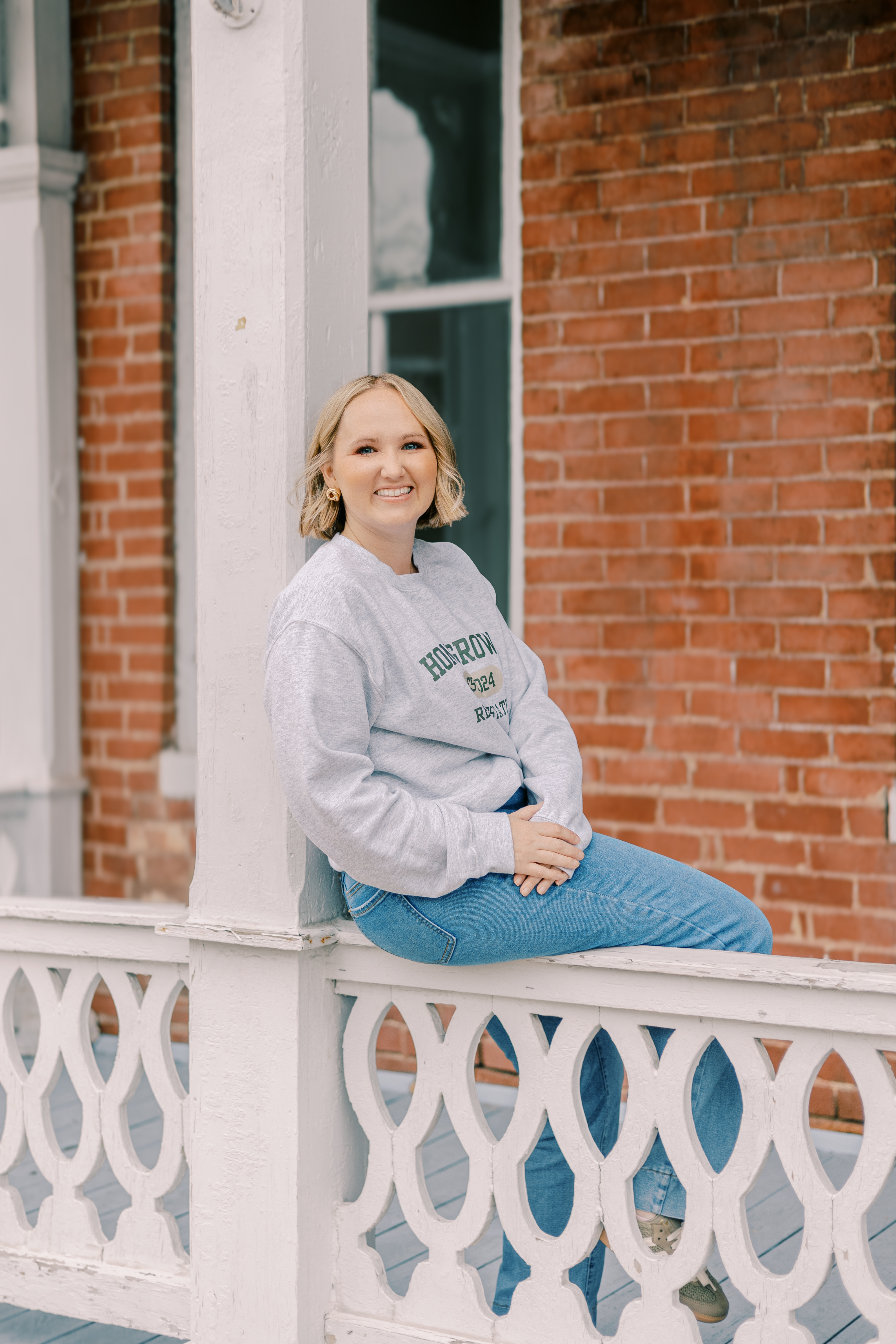
Ashley Dudley | Broker Owner HomeGrown Real Estate
9394 South Congress Street, New Market, VA
ashley.dudley@homegrownreva.com
540.271.1655
Office: 540.820.5183