Growing Roots, Sharing Stories

Welcome to our little corner of stories, insights, and helpful guides. Here you’ll find everything from local market updates to home tips, community spotlights, and a behind-the-scenes look at life here in the Shenandoah Valley. Think of this space as a place to learn, explore, and feel connected to the community we all call home.

Oct. 19, 2026

Fall in Love with Fall in the Shenandoah Valley ????

There's just something about fall in the Shenandoah Valley.

The mountains slowly changing from green to shades of red, orange, and gold. The cooler mornings, the crisp air, and the excuse to pull out your favorite sweater. And of course, all the little festivals, farms, and local businesses that make this time of year so special.

I might be a little biased, but I genuinely think we live in one of the most beautiful places to experience autumn.

Whether you're looking for a relaxing afternoon with a glass of Virginia wine, a family outing to a pumpkin patch, or an excuse to get outside and enjoy the changing leaves, there's no shortage of ways to celebrate the season.

Here are a few of my favorite ways to enjoy fall right here in the Valley!

Sip Your Way Through Virginia Wine Country 🍷

One of my favorite things about living in the Shenandoah Valley is how many wonderful wineries we have practically in our backyard.

And fall? It's arguably one of the best times to visit.

Wolf Gap Vineyard in Edinburg is a wonderful place to spend a fall afternoon. Between the mountain views, award-winning wines, live music, and covered pavilion, it's easy to settle in and stay awhile. Grab a glass of wine, enjoy the scenery, and take in everything that makes the Valley so special.

Just down the road, Shenandoah Vineyards offers another beautiful wine-country experience. With its rich history in Virginia winemaking and peaceful setting, it's a lovely stop for anyone who appreciates a good glass of wine and a slower afternoon.

And if you're heading toward Woodstock, Muse Vineyards is another great option. Nestled near the Shenandoah River, Muse combines beautiful scenery with locally crafted wines and food, making it a wonderful fall outing.

Whether you're planning a date, catching up with friends, or simply looking for somewhere to relax, our local wineries make it pretty easy to enjoy the season.

Get Lost in a Corn Maze 🌽

Is it really fall if you don't get lost in a corn maze at least once?

One of the local spots worth checking out is The Farm at Court Manor in New Market, known for its large corn maze and seasonal farm attractions. Be sure to check whether they're operating before making plans this year.

For another fun outing, Back Home on the Farm in Harrisonburg offers a corn maze, pumpkins, and plenty of family-friendly activities.

And if you're willing to venture a little farther south, Endless View Farms in Crimora has a pumpkin patch, corn maze, hayrides, and a whole collection of activities to keep the family entertained.

Personally, I think these are the kinds of outings that make the best memories. A little fresh air, a little friendly competition, and probably someone insisting they know the way out of the maze when they absolutely don't. 😂

Pick the Perfect Pumpkin 🎃

There's something nostalgic about visiting a pumpkin patch.

Whether you're searching for the perfect carving pumpkin, picking out a few for your front porch, or simply enjoying a day outside, it's one of those fall traditions that never really gets old.

Beyond the corn maze destinations, there are plenty of local farms and markets throughout the Valley where you can find pumpkins, gourds, mums, and seasonal decorations.

Mulberry Hills Farm in Mount Crawford and Fairview Fun Farm in Luray are two more local options worth exploring.

And while you're out, don't forget to support the smaller farm stands and roadside markets. Sometimes those unexpected stops turn into your favorite part of the day.

Take the Scenic Route 🍁

One of the best things about fall in the Shenandoah Valley is that you don't necessarily have to spend a dime to enjoy it.

Sometimes all you need is a full tank of gas, a good playlist, and nowhere in particular to be.

Take a drive through the countryside, explore the back roads around New Market and Mount Jackson, or head toward Skyline Drive for some incredible mountain scenery.

If you're feeling adventurous, make a day of it with a hike.

Personally, I love the opportunity to get outside and appreciate the views that make this area so special.

It's easy to become accustomed to the scenery when you live here, but every fall seems to remind me just how lucky we are.

Enjoy the Little Things

Not every fall outing needs to be a big adventure.

Sometimes it's visiting a local coffee shop, walking through one of our small downtowns, stopping at a farmers market, or spending an evening around a fire with friends.

It's the seasonal festivals, the changing leaves, the pumpkins on front porches, and the familiar places that somehow feel a little different this time of year.

Those are the things I love most about living here.

There's No Place Quite Like Home

As a Realtor, I spend a lot of time talking about houses. Bedrooms, bathrooms, acreage, square footage, and all the details that go into finding the right property.

But the longer I do this, the more I appreciate that finding a home is about so much more than the house itself.

It's about the community around you.

It's about having places you love to visit, traditions you look forward to, and little experiences that make an ordinary weekend feel special.

And when I think about everything the Shenandoah Valley has to offer, especially this time of year, I'm reminded why I love calling this place home.

So whether you've lived here your entire life, recently moved to the area, or are considering planting roots in the Valley, I hope you get the chance to slow down and enjoy a little of what makes fall here so wonderful.

After all, sometimes the best part of home is everything waiting right outside your front door. 🍂🤍
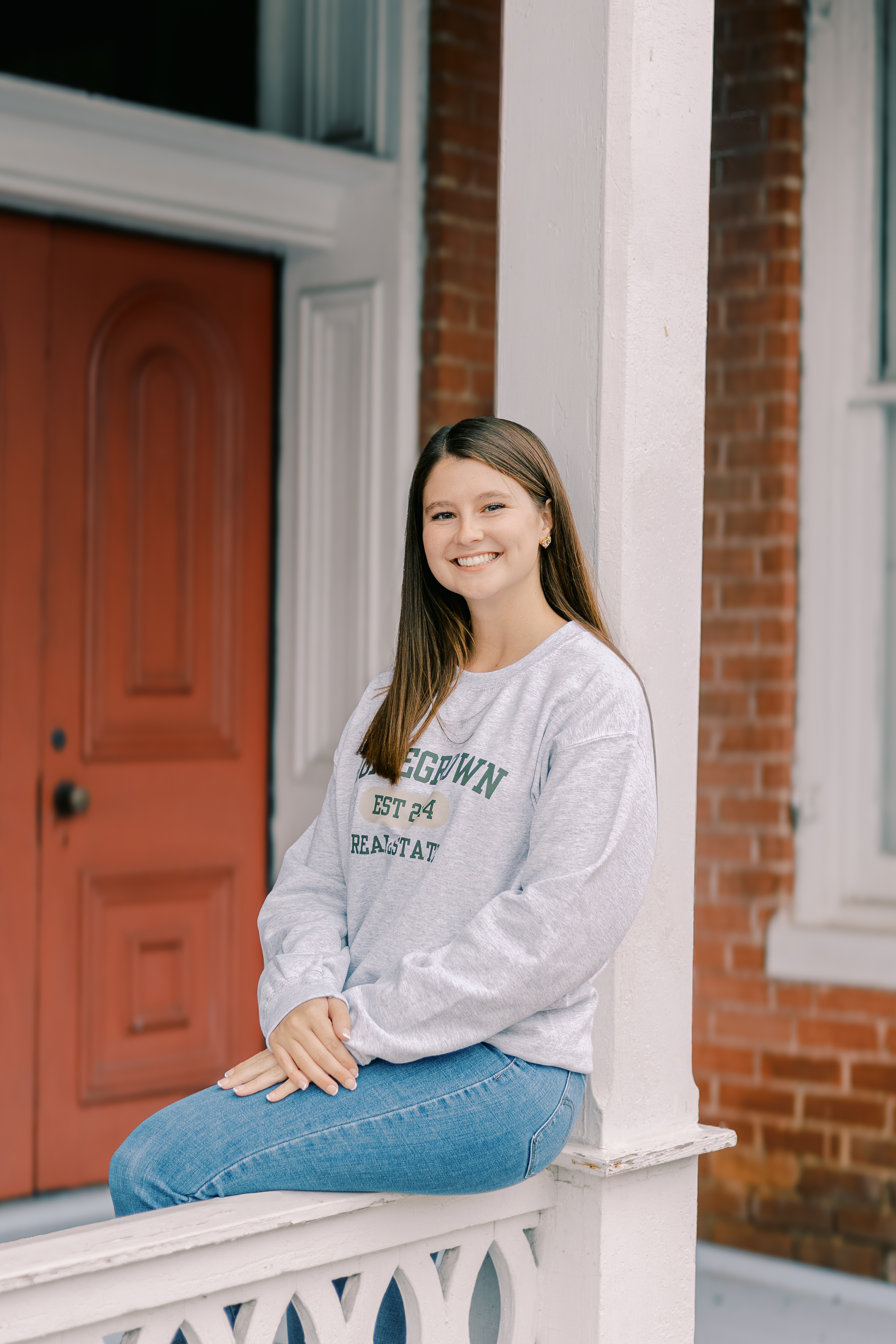
Amber Fleck | Realtor at HomeGrown Real Estate

amber.fleck@homegrownreva.com

540.273.6673
Oct. 15, 2026

There's Something Special About Finding Your Place in the World

Maybe it's a front porch with room for two rocking chairs.

A kitchen filled with Sunday morning pancakes.

A backyard where the dog can run, the kids can play, and summer evenings seem to last just a little longer.

Or maybe it's a little house on a quiet street, with flower boxes in the windows and neighbors who wave when they drive by.

The funny thing about home is that it looks a little different to everyone.

Some people dream of acres of land and mountain views. Others want sidewalks, friendly neighbors, and a coffee shop just around the corner.

Some want a house full of noise, muddy shoes, and family gatherings. Others are ready for something smaller, quieter, and easier to care for.

And that's one of my favorite things about real estate.

There's no single definition of a dream home.

Every Home Has a Little Magic

Think about the things you love most about your home.

Maybe it's the way the afternoon sunshine comes through the living room window. The porch where you've watched a hundred thunderstorms roll through. Or the dining room that's hosted more birthdays than you can count.

Those little things become part of our everyday lives, and sometimes we don't realize how special they are until we're ready for something new.

And when it's time to sell, there's something wonderful about knowing another family gets to discover those same little joys for themselves.

The Fun of Something New

There's a certain excitement that comes with imagining yourself somewhere new.

Deciding where the furniture will go. Picking out paint colors. Discovering your favorite sunny spot in the house.

Figuring out where the Christmas tree belongs.

And, of course, that first trip to the hardware store that somehow turns into five more.

Whether you're buying your very first home, moving into something bigger, or finally finding that cozy little place you've always wanted, there's something special about a fresh start.

A Little Shenandoah Valley Charm

We're especially lucky to call the Shenandoah Valley home.

Here, a dream home might come with mountain views, an old barn, a winding gravel driveway, or a front porch overlooking Main Street.

We have charming old farmhouses, beautiful country properties, cozy cottages, and neighborhoods where people still know each other's names.

There's a little something for everyone.

And sometimes the home you never expected to love becomes the one you can't imagine living without.

Here's to Whatever Comes Next

To the first-time buyers getting their very own set of keys.

To the sellers passing along a home filled with years of memories.

To the families needing a little more room, and the empty nesters ready for a little less.

To fresh flowers on the kitchen table, coffee on the porch, and the excitement of making a place your own.

Here's to finding a place that makes you happy to pull into the driveway.

Because at the end of the day, that's what home should feel like.

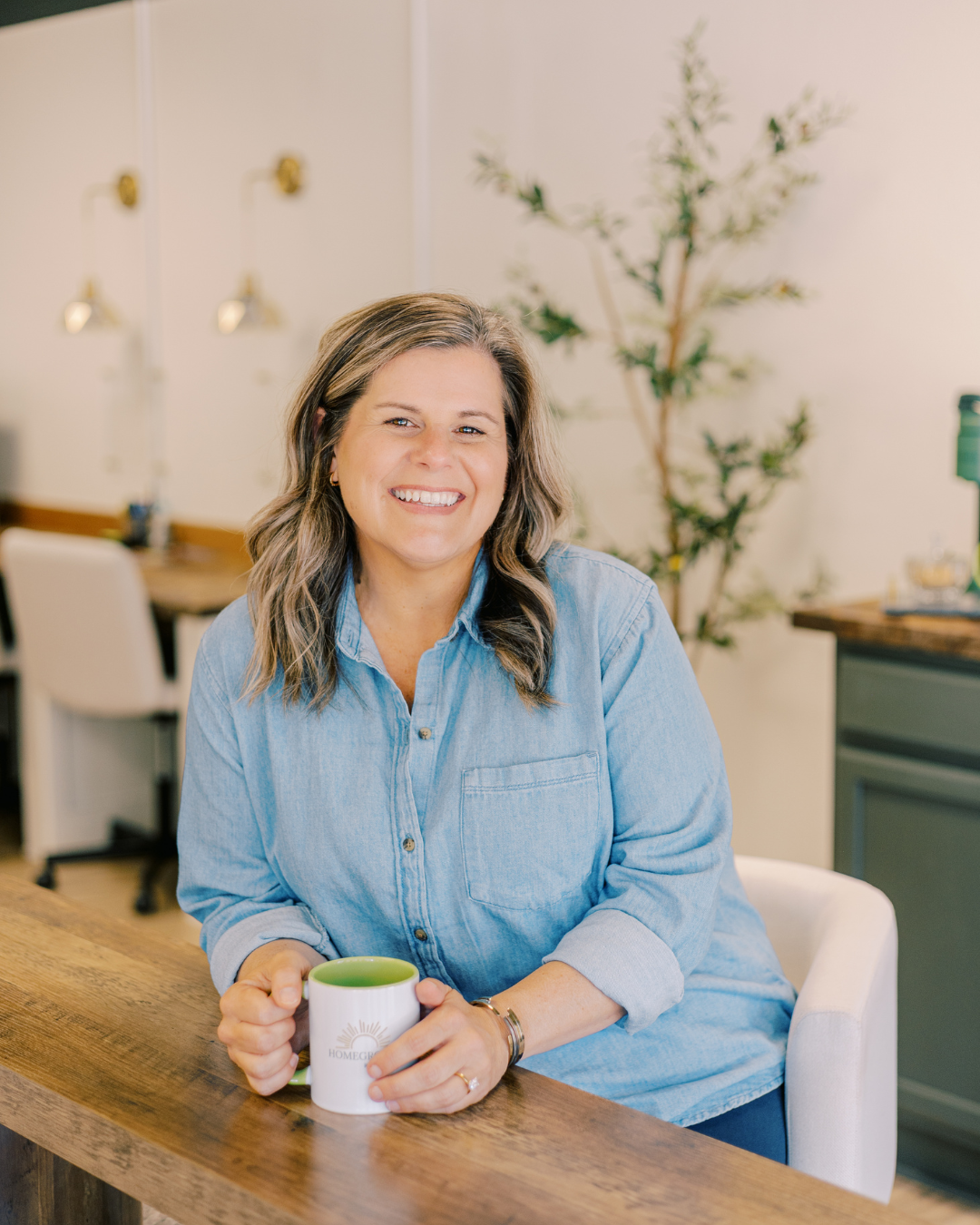
Abby Neese | REALTOR®
HomeGrown Real Estate
540-514-4047
Abby.Neese@homegrownreva.com

Oct. 14, 2026

Small Towns, Big Voices: The Future of the Places We Call Home

Small Towns, Big Voices: The Future of the Places We Call Home

There's something special about a small town.

Maybe it's walking down the street and recognizing a familiar face. Maybe it's the historic buildings, the locally owned businesses, or the traditions that bring everyone together year after year.

Maybe it's something as simple as someone waving when you drive by.

It's a sense of familiarity. A sense of belonging. The feeling that you're not just living somewhere... you're part of something.

And while I think we're incredibly fortunate to have communities like this throughout the Shenandoah Valley, I've been thinking lately about something else.

What does it take to keep a small town special while also allowing it to grow?

Loving Where We Came From, Dreaming About Where We're Going

I've talked before about my connection to New Market, Virginia. It's a town that has been part of my life through different seasons, from childhood memories to the place where I eventually chose to build my business.

And I have a pretty vivid picture of what I'd love to see for its future.

I imagine a downtown filled with small businesses. Storefronts with personality. People strolling along Congress Street, popping into shops, admiring the architecture, grabbing something to eat, and maybe running into someone they know along the way.

I imagine community events that bring people together, not just for an afternoon, but in ways that create real relationships.

I imagine familiar faces, regular customers, conversations that last longer than expected, and people who genuinely feel like they belong.

I imagine a town that celebrates its history without being afraid of its future.

Because I don't think those two things have to compete.

We can love the New Market we remember while still being excited about the New Market we haven't met yet.

Small Towns Don't Stay the Same Forever

I think there's a tendency to talk about small towns as if the goal should be to keep everything exactly as it is.

And I understand where that comes from.

There's comfort in familiarity. There's value in preserving historic buildings, local traditions, and the character that makes a place feel different from everywhere else.

But communities are living, changing places.

Businesses open and close. Families grow. Housing needs change. New generations arrive with different ideas, and longtime residents carry knowledge and memories that deserve to be part of the conversation.

Growth doesn't have to mean losing our identity.

And preservation doesn't have to mean standing still.

The challenge, and the opportunity, is figuring out how to make room for both.

Having a Voice in What Comes Next

Recently, I've had the opportunity to serve on a committee helping with the Town of New Market's comprehensive planning process.

And it's been a really interesting opportunity to think about our community from a different perspective.

For those who aren't familiar, a comprehensive plan helps guide a town's long-term vision and future decisions. It creates an opportunity to consider things like land use, housing, transportation, economic development, community facilities, and the overall direction of the town.

In New Market, this process is part of an initiative called New Market NEXT, which also includes developing an economic development strategy.

But here's what I think is particularly important.

A town's future shouldn't be shaped by only the people sitting in a meeting room.

It should include the people who live here, work here, own businesses here, raise families here, and care about what this community becomes.

And you don't have to be an expert in planning or development to have something valuable to contribute.

Maybe you'd love to see more places for families to gather.

Maybe you have ideas about downtown businesses.

Maybe you're concerned about housing opportunities, walkability, traffic, or preserving the town's historic character.

Maybe you simply want to share what you already love about New Market and hope never changes.

Those are all perspectives worth hearing.

Your Voice Matters More Than You Might Think

One of the things I love about small-town life is that the distance between having an idea and making an impact can feel a little smaller.

You might know the person organizing an event.

You might recognize someone serving on a local board.

You might walk into a business and have a conversation with the owner.

There's an accessibility to community involvement that I think we sometimes take for granted.

But it's also easy to assume that someone else will speak up.

Someone else will attend the meeting.

Someone else will share the idea.

Someone else will help shape the future.

And if everyone makes that assumption, we miss out on hearing from the very people who make our communities what they are.

You don't have to agree with every decision. You don't have to have a perfectly developed solution.

Sometimes participation starts with simply saying, Here's what matters to me.

And sometimes it starts with listening to someone whose vision looks a little different from your own.

Community Is More Than a Place on a Map

At HomeGrown Real Estate, community is one of the pillars of our business.

And while real estate is certainly about homes, I've always believed that the places surrounding those homes matter just as much.

It's the businesses you visit.

The events you look forward to.

The people who remember your name.

The neighbors who wave.

The places where you begin to feel like a regular instead of a visitor.

It's the feeling of belonging somewhere.

But I also believe community is something we have to participate in.

Sometimes that's supporting a small business. Sometimes it's volunteering, donating, joining a local board, or helping organize an event.

And sometimes it's taking a few minutes to share your thoughts about what you'd like your town to look like in the years ahead.

Putting down roots is one thing. Helping those roots grow is another.

What Do You Want Your Town to Become?

If you live, work, or spend time in New Market, I'd encourage you to learn more about the comprehensive planning process and look for opportunities to share your perspective.

You can find information about the initiative through the Town of New Market's website.

And even if New Market isn't your hometown, I hope this encourages you to think about your own community.

What makes it special?

What would you love to see more of?

What traditions are worth preserving?

And what could make it an even better place for the next generation?

I don't expect everyone to have the same answers. In fact, I think there's something pretty wonderful about bringing different perspectives to the table.

Because the goal shouldn't be to create a town that reflects one person's vision.

It should be to build a community where people feel heard, connected, and proud to belong.

I want to see New Market continue to grow into a place where small businesses thrive, history is celebrated, sidewalks are filled with familiar faces, and people feel connected to something bigger than themselves.

A town that remembers where it came from while making room for where it's going.

Because the future of a small town shouldn't just happen around the people who call it home. It should happen with them.

Ashley Dudley | Broker Owner HomeGrown Real Estate

ashley.dudley@homegrownreva.com

540.271.1655

Oct. 14, 2026

Buying a Home With Your Dog in Mind

You probably have a wish list for your next home. Maybe it includes a bigger kitchen, an extra bedroom, or a porch where you can drink your morning coffee. But if you have a dog, there’s a good chance you’re making a little wish list for them, too.

A yard for zoomies. A sunny spot for naps. A window where they can supervise the neighborhood.

As a dog mom myself, I get it. I have a feeling Paisley’s list would include a cozy place to sleep and a good view of everyone walking by. When you’re looking for a home, it’s worth thinking about how the space will work for both of you.

Look beyond “has a yard”

A yard can be a big selling point, but take a closer look at how you would actually use it. Is it mostly flat, or is a large portion on a steep slope? Is there space to play? Can you easily get outside from the main living area?

If there’s already a fence, look at its condition and whether there are gaps your dog could squeeze through. If there isn’t one, make finding out what it would take to add one part of your home search.

The goal is to picture everyday life, including that last trip outside when you’re already in your pajamas.

Picture your daily walks

You’re buying a home, but your walking route comes with it.

As you visit a property, notice the traffic, sidewalks, and places you could walk nearby. Would you feel comfortable taking your dog out there in the morning or after dinner? If you enjoy longer walks, how convenient would it be to get to a park or trail?

A beautiful backyard is a bonus, but having a walking routine you enjoy can make a neighborhood feel like home, too.

Give the floors a second look

Pretty floors might catch your attention during a showing. Life with a dog adds a few more things to consider.

Think about muddy paws, shedding, and how much cleaning you want to do. Notice whether the floors feel slippery and where you could put rugs if your dog needs better traction. If you love carpet, consider where it is and how it fits with your routine.

It’s a small detail until you’re coming inside after a rainy walk.

Think about the layout

Where would the dog bed go? Is there a spot for food and water bowls that isn’t in the middle of a walkway? Where would you keep leashes, treats, and the collection of toys that somehow keeps growing?

Stairs and access to the yard are worth noticing, too. Think about what works for your dog now and what might make life easier as they get older.

You don’t need an entire room dedicated to your dog, although they would probably support that decision. A few practical spaces can make a difference.

Notice what’s happening outside

Some dogs love a front window. Others treat every passing person as an urgent announcement.

During a showing, pay attention to nearby activity, other dogs, and the windows facing the street. Think about where your dog would spend time and whether the setup would work for their personality.

You know their habits best, so bring that perspective along when you tour.

Find a home that fits your whole household

Buying a home is about more than bedrooms and square footage. It’s about the routines you’ll build there, from your morning coffee to your evening walk.

If you’re looking for a home in the Shenandoah Valley, tell me what matters to you, including what matters to your dog. A place for your favorite routines and a good sunny nap spot both deserve a spot on the wish list.

Courtney May, Realtor®
HomeGrown Real Estate
Phone: 540-435-3861
Email: Courtney.may@homegrownreva.com

Oct. 12, 2026

I Want to Buy a House. What's the First Step?

The other day, someone asked me a question that I wish more people felt comfortable asking.

"If I want to buy a house, what's actually the first step?"

They mentioned having about $10,000 saved and weren't sure if that was enough to even consider purchasing a home.

And you know what? I love questions like this.

Because somewhere along the way, I think we've made buying a house seem like something you need to have completely figured out before you even start.

You need perfect credit. You need 20% down. You need to know exactly what you can afford, where you want to live, and what kind of house you're looking for.

But that's not how it has to work.

The first step toward buying a home isn't finding the perfect house. It's figuring out what's possible for you.

Start With a Conversation

Before we start scheduling showings or falling in love with houses online, I want to understand what you're hoping to accomplish.

Are you tired of renting? Looking for more space? Hoping to have a little land? Thinking about buying sometime in the next year?

Maybe you don't even know exactly what you want yet. That's okay!

An initial conversation with a Realtor can help you understand the buying process, what to expect, and who you'll want on your team.

And no, talking to a Realtor doesn't mean you have to buy a house next month.

Sometimes the best thing we can do is start planning early.

Then, Let's Talk to a Lender

This is one of the most important steps, and ideally, it happens before we start seriously looking at homes.

A lender can review your financial situation, including your income, credit, debts, and savings, to help determine what you may qualify for.

They can also explain different loan programs, estimated monthly payments, and how much money you might need to purchase.

And here's something important: Your pre-approval amount isn't necessarily what you should spend.

Just because you qualify for a certain purchase price doesn't mean that payment will fit comfortably into your lifestyle.

I want my buyers to feel good about their mortgage payment, not feel like they're stretching every dollar just to keep up with it.

That's why having a realistic conversation about your finances early in the process is so valuable.

But What If I Only Have $10,000 Saved?

Let's talk about that, because this is where I think a lot of potential buyers count themselves out before they even begin.

There's a common misconception that you need 20% down to buy a house.

And while a larger down payment can have advantages, 20% isn't required for every mortgage program.

Depending on your qualifications, there are conventional loans with down payments as low as 3%, FHA loans with down payments as low as 3.5%, and certain programs that may offer eligible buyers zero-down-payment financing.

Here in Virginia, there may also be down payment or closing cost assistance programs available to qualified buyers.

But there's more to consider than just the down payment.

You'll also want to account for closing costs, inspections, moving expenses, and ideally some savings left over for unexpected expenses after you move in.

So, is $10,000 enough?

Maybe!

It depends on the purchase price, your financing, eligibility for assistance, potential seller concessions, and your overall financial picture.

For some buyers, $10,000 may be enough to make purchasing possible. For others, it may mean saving a little longer or exploring different options.

But I would never want someone to assume they can't buy simply because they don't have a huge savings account.

Let's find out what your options actually are first.

What If I'm Not Ready Yet?

Then we make a plan!

Maybe your credit needs a little work. Maybe you want to pay down some debt. Maybe you need another six months to build your savings.

That doesn't mean you've failed or that homeownership is out of reach.

It just means we have a few things to work toward.

And wouldn't you rather know exactly what those things are?

Instead of spending another year wondering whether you could qualify, you could spend that time taking meaningful steps toward your goal.

Sometimes those steps are smaller than you think.

Other times, they take a little more patience.

Either way, having a plan gives you direction.

You Don't Have to Figure It Out Alone

Buying your first home can feel overwhelming, especially when everyone seems to have an opinion about what you should do.

Your parents might tell you one thing. Your friends might tell you another. And the internet? Well, it'll probably tell you twelve different things before breakfast. 😂

But everyone's financial situation, goals, and timeline are different.

That's why having the right people in your corner matters.

A knowledgeable lender can help you understand your financing options and what you need to qualify.

A Realtor can help you navigate the process, understand the local market, evaluate properties, and make informed decisions along the way.

And most importantly, neither should make you feel pressured to buy before you're ready.

The goal isn't just to get you into a house. It's to help you make a decision that makes sense for your future.

Every Homeowner Has to Start Somewhere

If owning a home is something you've been dreaming about, I don't want you to count yourself out before you've even explored your options.

Maybe you have $10,000 saved. Maybe you have more. Maybe you're just getting started.

Maybe you're ready to purchase in the next few months, or maybe you're a year or two away.

That's okay.

You don't have to know exactly what you can afford, have your dream home picked out, or have every financial detail figured out before reaching out.

You just have to be willing to start the conversation.

If you're thinking about buying your first home in the Shenandoah Valley, I'd love to help you figure out where to begin.

No pressure. No obligation. Just a conversation about where you are today and what it might take to get you where you want to be.

Because sometimes, the first step toward owning a home is simply asking, "Where do I start?" 🤍


Amber Fleck | Realtor at HomeGrown Real Estate

amber.fleck@homegrownreva.com

540.273.6673
Oct. 8, 2026

Should You Sell Your Home This Fall or Wait Until Spring?

Selling a Home in Shenandoah County and the Shenandoah Valley

When most people think about selling a home, spring immediately comes to mind. The flowers are blooming, the grass is green, and buyers are out looking for their next home.

But what if waiting until spring isn't necessarily your best option?

If you own a home in Shenandoah County, Bryce Resort, New Market, Timberville, or anywhere in the surrounding Shenandoah Valley, you might be surprised to learn that fall can offer some unique advantages for sellers.

Before you decide to wait another six months, here are a few things worth considering.

1. Less Competition Could Work in Your Favor

Spring is traditionally a popular time to list a home, which often means more properties competing for buyers' attention.

During the fall, some homeowners decide to take their properties off the market or postpone listing until the following year.

Depending on current inventory in your area, that could mean fewer homes competing with yours.

When buyers have fewer comparable properties to choose from, a well-priced, well-presented home has an opportunity to stand out.

Of course, fewer listings don't automatically mean a faster sale. Understanding your specific market is what matters.

2. Fall Buyers Can Be Motivated Buyers

Not everyone has the luxury of waiting until spring to purchase a home.

Job relocations, growing families, changes in living arrangements, and financial circumstances can create a need to move regardless of the season.

Buyers searching for homes in October, November, and December may have specific timelines they're working toward.

While there may be fewer buyers actively searching during the cooler months, those who are looking can have compelling reasons to make a move.

3. The Shenandoah Valley Is Beautiful in the Fall

Let's talk about something we have working in our favor here in the Shenandoah Valley: the scenery.

From the mountain views surrounding Bryce Resort and Basye to the rolling farmland of New Market and Timberville, fall is an especially beautiful time of year in our area.

Changing leaves, cooler temperatures, and inviting outdoor spaces can create a wonderful first impression.

For homeowners with mountain views, acreage, wooded lots, or outdoor entertaining areas, fall photography can showcase features that make a property special.

The key is making sure your property looks well-maintained, both inside and out.

4. Waiting Until Spring Doesn't Guarantee a Higher Sales Price

One of the biggest misconceptions about real estate is that homes automatically sell for more money in the spring.

While seasonal market trends can influence buyer activity, your home's value depends on several factors, including:

  • Location and neighborhood

  • Condition and necessary repairs

  • Recent comparable sales

  • Available inventory

  • Buyer demand

  • Pricing strategy

A home that's priced appropriately in October may perform better than an overpriced home listed in April.

The right listing strategy is more important than simply choosing a popular month.

5. Your Home Needs to Be Ready for the Market

Regardless of when you decide to sell, preparation matters.

Fall sellers should pay particular attention to curb appeal, exterior maintenance, lighting, and creating a welcoming atmosphere.

Keep leaves cleared from walkways, make sure exterior lights are working, and consider how your home feels when buyers walk through the front door.

With shorter days, professional photography and well-lit interiors become especially important.

Small improvements can make a meaningful difference in how buyers perceive your property.

So, Should You Sell Now or Wait?

The answer depends on your home, your financial goals, and your local market.

For some homeowners, waiting until spring may make sense. For others, listing this fall could offer an opportunity to reach motivated buyers while facing less competition.

There's no one-size-fits-all answer, especially in a market as diverse as the Shenandoah Valley.

A home near Bryce Resort may attract a different group of buyers than a property in downtown New Market or a farmhouse on acreage in Rockingham County.

That's why understanding your specific property and its potential buyers is so important.

Thinking About Selling Your Home in the Shenandoah Valley?

Whether you're ready to list this fall or simply wondering what your home might be worth, I'd love to help you explore your options.

If you're considering selling in Shenandoah County, Bryce Resort, Basye, New Market, Timberville, or the surrounding Shenandoah Valley, let's take a look at your property, discuss current market conditions, and determine a strategy that makes sense for you.

Your next chapter starts with knowing your options. Let's talk!

Abby Neese, Realtor®
HomeGrown Real Estate
Phone: 540-514-4047
Email: abby.neese@homegrownreva.com

Oct. 7, 2026

Thinking About Moving Next Year? Here’s What You Can Do Now

If a move is somewhere in your plans for 2027, you don’t need to have every detail figured out this fall. Maybe you know you want more space, a different location, or simply a home that fits your life a little better. That’s enough to start thinking about what comes next.

A few small steps now can make the process feel much easier when you’re ready.

If you’re thinking about buying

Start paying attention to what matters most in your day-to-day life. Is it a shorter drive to work? More room for your hobbies? A yard for the dog? As you browse homes, notice which features you keep coming back to and which ones you could happily live without.

It can also help to have an early conversation with a lender. You don’t need to be ready to make an offer tomorrow. Learning what a comfortable monthly payment might look like gives you a more useful starting point than browsing by price alone.

And if you’re deciding where to look, spend some time in the areas you’re considering. A town or neighborhood can feel different when you’re there on an ordinary weekday than it does during a quick showing.

If you’re thinking about selling

You don’t have to spend the next few months fixing everything in your home. Start with a walk-through and make a list of the little things you’ve been meaning to take care of. Then work through it at a pace that fits your schedule.

This is also a good time to think about your next move. Where would you go after selling? Would you need to buy another home first? Talking through those questions early can help you make a plan that works for you.

You can start with a conversation

Moving next year doesn’t mean you need to make a big decision today. Sometimes the most helpful first step is simply talking through your ideas, your timeline, and what you’re hoping will be different in your next home.

If a move in the Shenandoah Valley is on your mind for 2027, I’d be happy to help you figure out where to start.


Courtney May, Realtor®
HomeGrown Real Estate
Phone: 540-435-3861
Email: Courtney.may@homegrownreva.com

Oct. 6, 2026

Did Someone Say... A Million Dollars?

Did Someone Say... A Million Dollars?

There was a time when seeing a million-dollar home hit the market around here felt a little like spotting a unicorn.

You noticed it.

Maybe you clicked through the photos just because you were curious. You expected acreage, incredible views, a sprawling house, maybe a pool... something that immediately made you think, Okay. THAT is a million-dollar house.

Lately?

I'm seeing them everywhere.

At the time I pulled the numbers, there were 14 million-dollar-plus listings in Rockingham County, 11 in Augusta County, 8 in Shenandoah County and 7 in Page County.

Forty homes across four counties.

And every time I notice another one pop up, I find myself thinking about how much our perception of home prices has changed.

Because let's establish something first:

One million dollars is still A LOT of money.

But what one million dollars buys in real estate doesn't necessarily look the way many of us still imagine it should.

What Does a Million-Dollar House Look Like?

That's actually a harder question to answer than it used to be.

Some of these properties absolutely look like what you'd expect at that price point. Significant acreage. Mountain views. Custom construction. Beautiful finishes. Pools. Large estates. Income-producing opportunities.

Others might surprise you.

Not because there is anything wrong with the house, but because our mental picture of a million-dollar property was formed when homes, land, construction and nearly everything surrounding homeownership cost considerably less.

The number changed faster than our perception of the number did.

And I think that's happening at nearly every price point.

This Isn't Really a Blog About Million-Dollar Homes

They're just a really good illustration of something much bigger.

Home prices have risen.

A lot.

And that means buyers are experiencing a strange disconnect between what a number feels like it should buy and what it actually buys.

$300,000 feels like it should buy a certain house.

$500,000 feels like it should buy another.

And $1 million?

Surely we're getting the dream kitchen, acreage, gorgeous views and a bathroom large enough to have its own ZIP code. 😂

Except real estate doesn't price itself based on what a number feels like.

It responds to land values, construction costs, inventory, location, condition, demand, improvements and what buyers have actually been willing to pay for comparable properties.

That's where the disconnect can get frustrating.

“For THAT Much Money?”

I've heard some version of this countless times from buyers.

And frankly... I understand it.

When your budget is higher than you ever imagined spending on a home, it's natural to expect the house itself to feel equally impressive.

But sometimes increasing the budget doesn't suddenly unlock granite countertops and ten acres.

Sometimes it gets you the extra bedroom.

The better school district.

The shorter commute.

A little more land.

A house that doesn't need quite as much work.

Or simply more options than you had $50,000 ago.

That can be a difficult adjustment, especially for someone who remembers what homes cost five or ten years ago.

But yesterday's prices can't be our measuring stick for today's decisions.

So What Do You Do When Pricing Feels Like the Roadblock?

This is where I think buyers can get stuck.

They establish a budget.

They start looking.

They're disappointed by what the budget buys.

So they wait for something “better” to appear.

And sometimes that works.

But sometimes they're searching for a house at a price point that the current market simply isn't offering.

That's when I want to stop scrolling listings for a minute and have a different conversation.

What are the actual non-negotiables?

What would be nice to have?

What could you change later?

Would a different location open more possibilities?

Would less acreage make the numbers work?

Could you buy something that needs cosmetic updates but has the bones you want?

Does the monthly payment make sense?

And perhaps most importantly...

Does buying right now actually make sense for you?

Because stretching yourself financially just to get the house you thought a certain amount of money should buy isn't a strategy I want for anyone.

Your First House Doesn't Have to Be Your Forever House

I think rising prices have also created pressure to somehow get the entire wishlist in one purchase.

If homes are expensive, buyers understandably think:

If I'm spending this much, it better have everything.

I get that.

But sometimes the better question is:

What does this home need to do for me during the next chapter of my life?

Maybe you don't get the dream kitchen yet.

Maybe the yard is smaller.

Maybe you're ten minutes farther from town.

Maybe the house needs paint, flooring or a bathroom that hasn't received the memo that it's no longer 1997.

That doesn't automatically make it a bad purchase.

A home can be a stepping stone.

It can give you stability, space, equity and time while your life continues to change.

And Sometimes the Answer Is... Not Yet

I think this is equally important.

Talking about navigating higher home prices does not mean finding creative ways to force everyone into homeownership.

Sometimes we run the numbers and they don't make sense.

Sometimes the payment leaves too little breathing room.

Sometimes the available inventory requires too many compromises.

Sometimes renting for another year while saving, paying down debt or figuring out where you actually want to live is the smarter move.

That's okay.

My job isn't to convince someone to buy a house.

It's to help them understand what their options actually look like.

A Million Dollars Isn't What It Used to Be

And neither is $250,000.

Or $400,000.

Or $600,000.

That's probably the bigger story behind those forty million-dollar listings.

Yes, luxury real estate exists here in the Shenandoah Valley.

Yes, there are some absolutely incredible properties available.

But seeing more homes cross that seven-figure threshold is also a pretty fascinating reminder of just how much our housing market has changed.

The numbers we're attaching to homes today can feel startling because many of us are still subconsciously comparing them to what those numbers bought years ago.

And I don't think the answer is to pretend that isn't frustrating.

Housing affordability is a real challenge.

Instead, I think we acknowledge it... and then work with the market that's actually in front of us.

Understand your numbers.

Decide what matters most.

Be willing to adjust the wishlist before automatically adjusting the budget.

Consider different locations, property types and possibilities.

And don't let someone else's definition of what your money should buy convince you to make a financial decision that doesn't work for your life.

Because whether your budget is $250,000 or $1 million... the goal isn't to buy the most house you possibly can.

It's to find the home, payment and plan that actually make sense for you.

Ashley Dudley | Broker Owner HomeGrown Real Estate

ashley.dudley@homegrownreva.com

540.271.1655

Oct. 6, 2026

Buying a Home With an FHA Loan: What You Need To Know

If you’re thinking about buying a home in Shenandoah County, Virginia, including areas like New Market, Basye, Bryce Resort, Mount Jackson, Edinburg, Woodstock, or Strasburg, and you plan to use an FHA loan, there are a few things worth knowing before you start scheduling showings.

FHA loans can be a great option, especially for first-time homebuyers. They offer a lower down payment option and can have more flexible qualification requirements than some conventional loans.

But there’s one important difference buyers sometimes don’t realize:

With an FHA loan, you’re not the only one who has to qualify. The house does, too.

Not Every Shenandoah County Home Will Be a Good Fit for FHA

This is especially important when you’re shopping in the Shenandoah Valley, where we have everything from newer construction to historic homes, mountain properties, cabins, and homes that have been around for generations.

An FHA appraisal looks at the property’s value, but the appraiser also considers certain minimum property requirements related to safety, security, and soundness.

That doesn’t mean the home has to be perfect or completely updated. Older homes can qualify for FHA financing, and cosmetic issues generally aren’t the concern.

However, certain conditions can potentially create problems.

When I’m touring homes with FHA buyers, I pay particular attention to things like peeling or chipping paint, especially in homes built before 1978, unsafe stairs or missing handrails, questionable decks and porches, exposed electrical hazards, broken windows, roof leaks, significant moisture issues, and other conditions that could raise health or safety concerns.

Sometimes these are relatively simple fixes. Other times, they can make a property more complicated to purchase with FHA financing.

Buying in Basye or Bryce Resort With an FHA Loan?

Properties in Basye and the Bryce Resort area can be especially unique.

You may be looking at a traditional year-round home, a mountain property, a vacation-style home, a condo, or an older property that has been updated over time.

That’s why it’s important to involve your lender early and make sure your real estate agent knows exactly what type of financing you’re using.

A home being located near Bryce Resort doesn’t automatically make it eligible or ineligible for FHA financing. The individual property, its condition, how it is classified, and other factors can all matter.

If you’re considering a condo, there can also be additional FHA requirements, so that’s something I want to investigate before you fall in love with the property.

Be Careful With “As-Is” and Fixer-Upper Homes

There are some wonderful older homes throughout Shenandoah County, particularly if you love homes with character.

But that inexpensive house that needs some work may not always be the easiest property to purchase with a standard FHA loan.

If the FHA appraisal identifies a condition that must be corrected, the repair may need to be completed before the loan can close.

That can become an issue when a seller is unwilling or unable to make repairs.

For buyers specifically looking for a property that needs substantial renovation, an FHA 203(k) renovation loan may be another option worth discussing with a qualified lender.

The FHA Appraisal Isn’t Your Home Inspection

This is an important distinction.

An FHA appraisal is performed for the lender and isn’t a substitute for having your own home inspection.

Even if a property satisfies FHA requirements, there can still be issues with the home that you’ll want to know about before purchasing it.

Remember to Budget Beyond the Down Payment

One of the biggest attractions of FHA financing is the possibility of purchasing with as little as 3.5% down for qualifying borrowers.

But your down payment isn’t necessarily the only money you’ll need.

Depending on your transaction, you may also have expenses associated with your inspection, appraisal, closing costs, prepaid taxes and insurance, moving expenses, and other costs.

FHA loans also include mortgage insurance, so when comparing loan options, I encourage buyers to look at their total estimated monthly payment rather than focusing only on the interest rate.

Why I Want to Know Your Financing Before We Tour

Whether you’re looking for a starter home in New Market, a property near Bryce Resort in Basye, a home in Woodstock or Edinburg, or you’re searching farther north toward Strasburg, knowing your financing ahead of time helps me guide the search.

If I know you’re using FHA financing, I can look at properties through that lens while we’re touring.

I’m not going to tell you that you can’t buy an older house because there’s peeling paint on the porch or that a questionable handrail automatically kills the deal. Your lender and appraiser ultimately determine whether the property meets the requirements.

But I am going to point out potential concerns.

I’d much rather have that conversation while we’re standing in the house than have you fall in love with it, write an offer, spend money on inspections and an appraisal, and discover the issue later.

FHA Doesn’t Mean You Need a Perfect House

This is probably the biggest takeaway.

Using an FHA loan doesn’t mean you’re limited to brand-new or completely renovated homes.

You can absolutely buy a home with age, character, quirks, and projects.

The goal is simply to understand what you’re working with before you make an offer.

If you’re thinking about buying a home in Shenandoah County, VA, whether that’s in New Market, Basye, Bryce Resort, Mount Jackson, Edinburg, Woodstock, Strasburg, or elsewhere in the Shenandoah Valley, start with the financing conversation before the house hunt.

Once we know your budget, loan type, and what you’re looking for, we can focus on homes that don’t just feel right, but have a realistic path to closing, too.

Loan programs and property requirements can vary based on the borrower, property, lender, and current FHA guidelines. Your lender and appraiser will determine specific financing and property eligibility.

Abby Neese, Realtor®
HomeGrown Real Estate
Phone: 540-514-4047
Email: abby.neese@homegrownreva.com

Sept. 30, 2026

The Market Has Changed. Our Expectations Have to Change With It.

The Market Has Changed. Our Expectations Have to Change With It.

There is a strange tension in real estate right now.

Sellers are getting antsy. Buyers are cautious. Homes are sitting longer. Conversations about price reductions are happening more often. Some owners are wondering whether they should abandon selling altogether and put their property up for rent. And if I'm being transparent, I think a lot of real estate agents are feeling the weight of this market too.

It isn't because homes aren't selling.

It's because they're taking longer to sell... and many of us are still carrying expectations built in a very different market.

The Numbers Tell the Story

I pulled average days on market for four of the counties I work in most often, and the difference is hard to ignore.

County Sept. Last Year March 2026 Right Now
Shenandoah 46 days 41 days 93 days
Page 68 days 76 days 99 days
Rockingham 33 days 37 days 80 days
Augusta 35 days 53 days 83 days

These aren't national headlines. They're numbers from right here in our corner of Virginia.

And I think they help explain why this market feels so difficult.

A seller in Rockingham County who remembers homes selling in roughly a month last year may now be sitting at day 45 wondering what has gone wrong.

Nothing necessarily has.

The current average is 80 days.

A Shenandoah County seller can reach two full months on the market and understandably start thinking, Why hasn't my house sold?

But today's average is 93 days.

That's a very different expectation than the 46-day average sellers experienced around this time last year.

Longer Doesn't Automatically Mean Something Is Wrong

I think this is one of the most important conversations we can have right now.

Days on market are information... but they aren't a diagnosis.

If your home has been listed for 30 days without an offer, that fact alone doesn't tell me we need to panic.

I want to know what else is happening.

Are we getting showings? What are those buyers saying? Are similar homes going under contract? Have competing properties reduced their prices? Are buyers viewing the home online but not scheduling appointments? Are we getting second showings? Has the market changed since we originally established the price?

Those pieces tell us what the days on market actually mean.

If we've had weeks of complete silence, the market may be telling us something about price, condition or positioning.

If we're consistently getting one or two showings a week and buyers are engaging with the property, I may recommend we stay the course a little longer.

The answer shouldn't automatically be drop the price.

But it also shouldn't automatically be just wait.

Our job is to look at what the market is telling us and respond accordingly.

I Understand Why Sellers Are Getting Nervous

This part matters to me because selling a house isn't an experiment.

There may be another mortgage involved. A move waiting on the other side. A vacant property carrying monthly expenses. An investment property that could be producing rental income. Or simply the mental exhaustion of keeping a home showing-ready for weeks longer than you anticipated.

So when a seller asks me at day 40, Should we just rent it?

I understand where that question comes from.

When someone starts wondering whether we should reduce the price, change the strategy or pull the listing altogether, I don't think they're being unreasonable.

They're trying to make a financial decision without knowing exactly how long they'll have to wait.

Unfortunately, none of us can give them that certainty.

What we can give them is context.

And right now, context means acknowledging that 40, 50 or even 60 days on the market doesn't mean what it meant a year ago.

There's Another Side of This That Sellers Don't Always See

I think it's also worth pulling back the curtain on something that doesn't get talked about very often.

Most real estate agents don't get paid when a listing agreement is signed.

We get paid when the property closes.

Everything between those two moments is an investment with no guarantee of a return.

Photography. Marketing. Advertising. Signs. Open houses. Social media. Email campaigns. Follow-up. Showing coordination. Feedback calls. Market analysis. Conversations about strategy. Time spent answering questions, checking activity and figuring out what else we can do to put the property in front of the right buyer.

And as listings sit longer, that investment doesn't stop.

A longer market means sellers are carrying a property longer... and their agents are carrying the listing longer too.

I'm not saying that because sellers should feel bad for their Realtor. That's the business we've chosen, and part of our job is assuming that risk.

I'm saying it because sometimes when a listing hasn't sold, it can begin to feel like nothing is happening.

Often, quite a lot is happening.

The frustrating part is that effort and outcome aren't always directly connected.

I can market a home beautifully. I can follow up with every showing. I can hold open houses, advertise it, talk about it, email it and continue adjusting our strategy.

I cannot manufacture the buyer.

And that's where trust between seller and agent becomes incredibly important.

This Is Where Expectations Matter

I think one of the biggest mistakes we can make in this market is waiting until everyone is frustrated to talk about what happens if a home doesn't sell quickly.

Those conversations need to happen before the sign ever goes in the yard.

What does the current average timeline look like?

When will we reassess our pricing?

What would cause us to make a change?

What would make us hold steady?

How often are we going to communicate?

What happens if we reach 30 days? 60? 90?

Setting those expectations doesn't mean we're expecting a home not to sell.

It means we're building a plan that doesn't depend on everything going perfectly.

A Slower Market Requires a Different Kind of Partnership

There are markets where selling a house can feel easy.

This isn't one of them.

Right now, sellers need agents willing to have uncomfortable conversations instead of simply telling them what they want to hear.

And agents need sellers who are willing to look at the information with them and adjust when the market gives us a reason to.

Sometimes that means changing the price.

Sometimes it means improving presentation.

Sometimes it means changing how we're marketing the property.

And sometimes...

it means doing absolutely nothing for another week or two.

Knowing the difference is the work.

We're Not Failing. We're Adjusting.

I think that's the message I want sellers... and maybe a few fellow agents... to hear right now.

This market is tough.

It's okay to acknowledge that.

Sellers are feeling it. Buyers are feeling it. Agents are feeling it.

But a difficult market doesn't automatically mean your home won't sell. And a home taking longer to sell doesn't automatically mean your agent isn't doing their job.

It means we have to stop measuring today's market against yesterday's expectations.

Look at the data.

Pay attention to the feedback.

Have the uncomfortable conversations.

Change course when the information tells us to.

Stay steady when it doesn't.

And above all, remember that your seller and your agent should be sitting on the same side of the table, looking at the same information and working toward the same goal.

Because in a market like this, the answer isn't panic.

It's perspective, communication, strategy... and sometimes a little more patience than any of us would prefer.

Ashley Dudley | Broker Owner HomeGrown Real Estate

ashley.dudley@homegrownreva.com

540.271.1655